Quick answer: Preparing your trees for spring storms in Winston-Salem involves trimming weak branches, inspecting for disease or root instability, removing hazardous trees, and scheduling preventative tree maintenance before severe weather arrives. Proactive care helps homeowners avoid costly property damage during heavy rainfall and high winds.
Spring in Winston-Salem brings blooming landscapes and warmer temperatures, alongside a high risk of thunderstorms and heavy rainfall. The shift in seasons breathes life back into local yards, but it also introduces volatile weather conditions that test the strength of every plant on your property.
Severe spring weather frequently exposes weak trees and hidden hazards across the Triad. High winds and saturated soil can easily bring down mature limbs or uproot entirely unstable trunks. A tree that looked perfectly healthy during the dormant winter months might harbor internal rot or structural weaknesses that fail under the pressure of a sudden squall.
Taking time for storm damage prevention now reduces the risk of expensive emergencies later. Shannon & Sons Tree Service provides professional tree care to help local homeowners secure their properties ahead of the severe weather season. Understanding the risks and taking proactive steps ensures your property remains safe and beautiful all year long.
Why Do Spring Storms in Winston-Salem Damage Trees?
The Piedmont Triad region experiences specific weather patterns during the spring that put immense stress on local vegetation. Understanding these common weather risks helps homeowners recognize why preparation is so critical.
Common spring weather risks in the Triad include:
-
- Heavy rain saturating the soil and loosening root systems.
- Strong wind gusts breaking weakened or diseased limbs.
- Lightning strikes and sudden, aggressive weather shifts.
- Falling branches damaging roofs, vehicles, and boundary fences.
Why are local trees particularly vulnerable to storm damage?
Mature trees are common in older Winston-Salem neighborhoods. While these massive oaks and maples provide excellent shade and curb appeal, their size makes them highly susceptible to severe weather. Dense canopies develop rapidly after initial spring growth. This thick foliage acts like a sail, catching high winds and putting massive leverage on the trunk and roots. Furthermore, existing damage from winter ice and snow stress often leaves branches brittle and ready to snap. For immediate cleanup of branches that have already fallen, professional storm damage services can safely clear your yard.
What Are The Warning Signs Your Trees Are Not Ready For Storm Season?
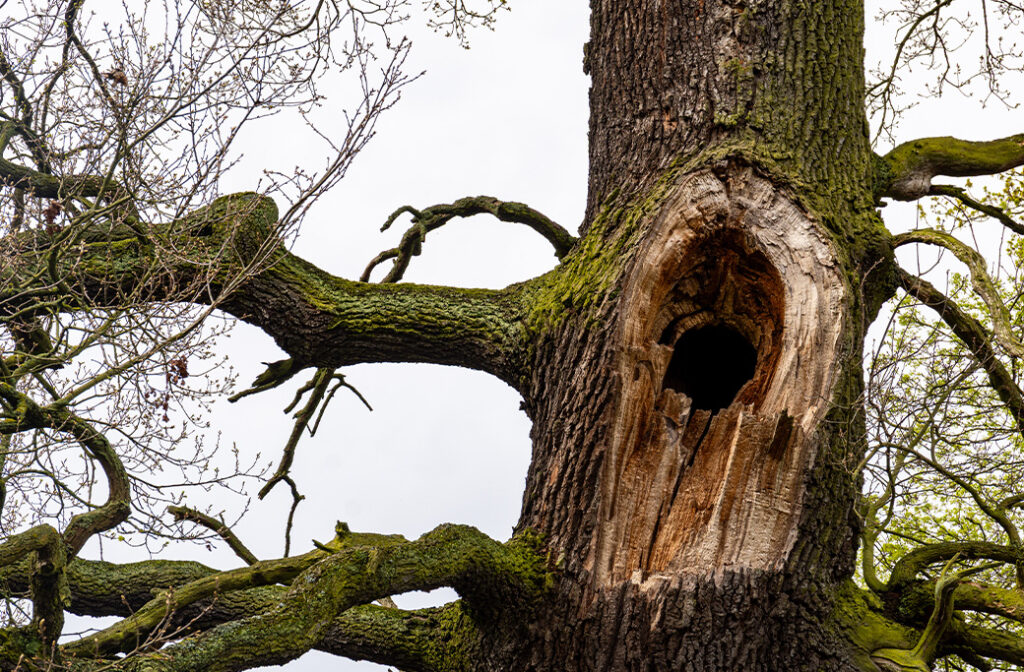
Identifying hazards early is the most effective form of spring tree care. Homeowners should walk their property and look for specific visual indicators of structural failure.
-
- Dead or hanging branches: These branches carry a significantly higher likelihood of falling in strong winds.
- Leaning trees: Root instability often worsens rapidly with wet, saturated soil. A sudden lean indicates the roots are failing to anchor the tree.
- Cracks, splits, or hollow areas: Deep fissures in the trunk or major branches represent severe structural weakness.
- Overgrown branches near structures: Branches touching or hanging over homes present direct risks to roofs, gutters, windows, and power lines.
- Signs of disease or decay: Look for mushrooms growing near the base of the roots, large patches of missing bark, or dead limbs paired with a noticeably thinning canopy.
Why Should Trees Be Trimmed Before Storm Season?
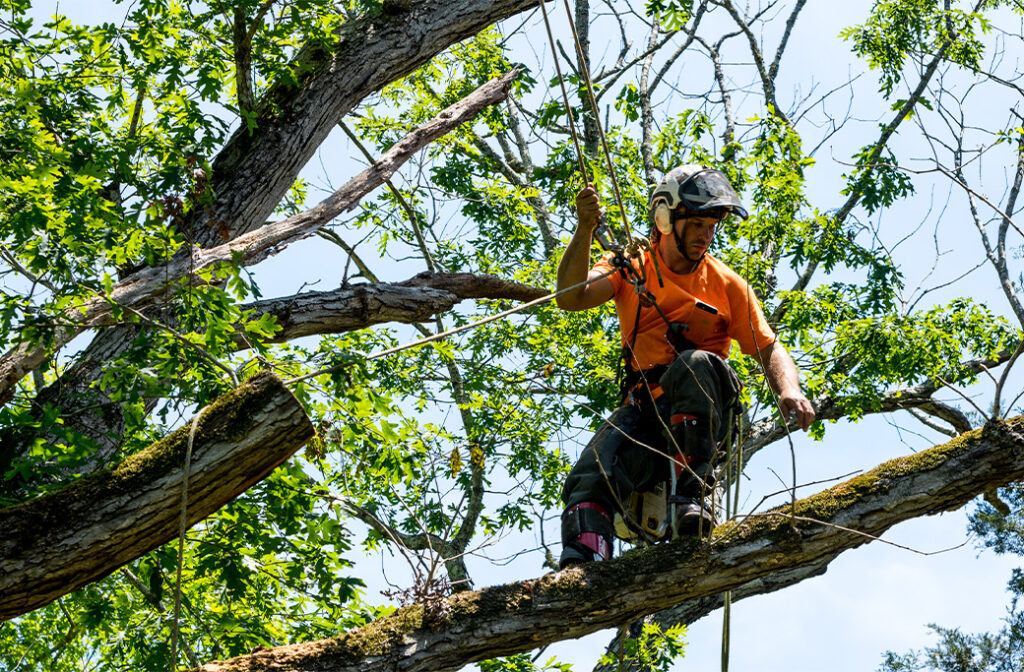
Professional tree trimming Winston-Salem NC arborists strongly recommend pruning before the heavy rains begin. Trimming removes weak or hazardous branches before gravity and wind bring them down onto your property.
Proper trimming also reduces wind resistance within the canopy. By thinning out the foliage, arborists allow strong gusts to pass directly through the branches rather than pushing against the tree as a solid object. Precise cuts improve overall tree structure, balance the weight distribution, and encourage healthier, more resilient spring growth.
Why Is DIY Tree Trimming A Dangerous Choice For Homeowners?
Handling large limbs without proper safety gear poses severe physical risks to the homeowner and bystanders. Improper cutting techniques often weaken the tree further, opening wounds that increase the likelihood of future disease or structural failure. Choose professional tree trimming if safety, property protection, and long-term tree health matter more than saving a few dollars on a weekend project.
When Should A Tree Be Removed Instead Of Trimmed?
Some trees sustain too much internal damage or root decay to save safely. Hazardous tree removal becomes necessary when a plant poses an immediate, unfixable threat to life or property.
Signs a tree requires complete removal include severe leaning, major internal decay, massive trunk damage, or noticeable root instability following previous storms. Completely dead trees located near homes, driveways, or sidewalks also require prompt extraction.
Choose tree removal over routine pruning if the main trunk shows extensive rot or if the tree aggressively leans toward a dwelling. Scheduling proactive removal helps homeowners avoid the steep emergency costs and insurance headaches associated with a massive tree falling directly on a roof. For the safest outcome, always rely on professional tree removal services to dismantle dangerous trees piece by piece.
How Can Winston-Salem Homeowners Storm-Proof Their Landscape?
Preparing for the season requires a mix of observation and routine maintenance. Implementing basic prevention strategies protects your real estate investment.
Practical Prevention Tips For Your Yard:
-
- Trim your trees annually to maintain strong structural integrity.
- Remove deadwood promptly to prevent wind-borne projectiles.
- Monitor drainage around the roots to avoid prolonged soil saturation and root rot.
- Avoid overcrowding tree canopies, which restricts airflow and promotes fungal diseases.
- Schedule a comprehensive spring inspection with a qualified tree care specialist.
Storm-resistant landscaping significantly improves long-term property safety while simultaneously boosting the curb appeal of your home.
Why Do Winston-Salem Homeowners Choose Shannon & Sons Tree Service?
The team at Shannon & Sons Tree Service possesses deep local knowledge of Winston-Salem weather patterns and regional tree species. Homeowners receive thorough professional inspections and highly accurate hazard assessments.
We provide the comprehensive tree maintenance Winston-Salem relies on, delivering precise trimming, safe removal, and rapid emergency response capabilities. Shannon & Sons Tree Service maintains a strict commitment to safety, utilizing advanced equipment to protect your property during every phase of the job.
How to Prepare Your Trees for Spring Storms in Winston-Salem, NC
Spring storms bring unpredictable conditions to North Carolina, but property damage remains highly preventable. Preventative maintenance today actively protects homes, vehicles, and surrounding landscapes tomorrow.
Contact Shannon & Sons Tree Service today to schedule a spring tree inspection in Winston-Salem, NC, and prepare your property before the severe storm season officially arrives.