Quick answer: To protect your Winston-Salem property during hurricane season, inspect your trees for dead branches, leaning trunks, and signs of disease. Schedule preventative tree trimming and hazardous tree removal with a professional arborist to reduce the risk of uprooted trees and expensive property damage caused by high winds and saturated soil.
While Winston-Salem sits far from the Carolina coast, hurricane season still brings significant risks to inland properties. Tropical storms frequently deliver powerful wind gusts, heavy rainfall, and saturated soil that easily uproot vulnerable trees. In fact, fallen limbs and collapsed trees remain among the leading causes of storm-related property damage across the Triad area.
Taking time to prepare your landscape before the forecast turns severe will significantly reduce safety hazards and costly emergency removals. Preventative maintenance identifies weak points that high winds will ultimately exploit. As a trusted local expert with over 20 years of experience, Shannon & Sons Tree Service helps Winston-Salem homeowners identify structural risks and secure their properties ahead of the worst weather.
Why Do Hurricanes Cause Major Tree Damage In Inland Cities Like Winston-Salem?
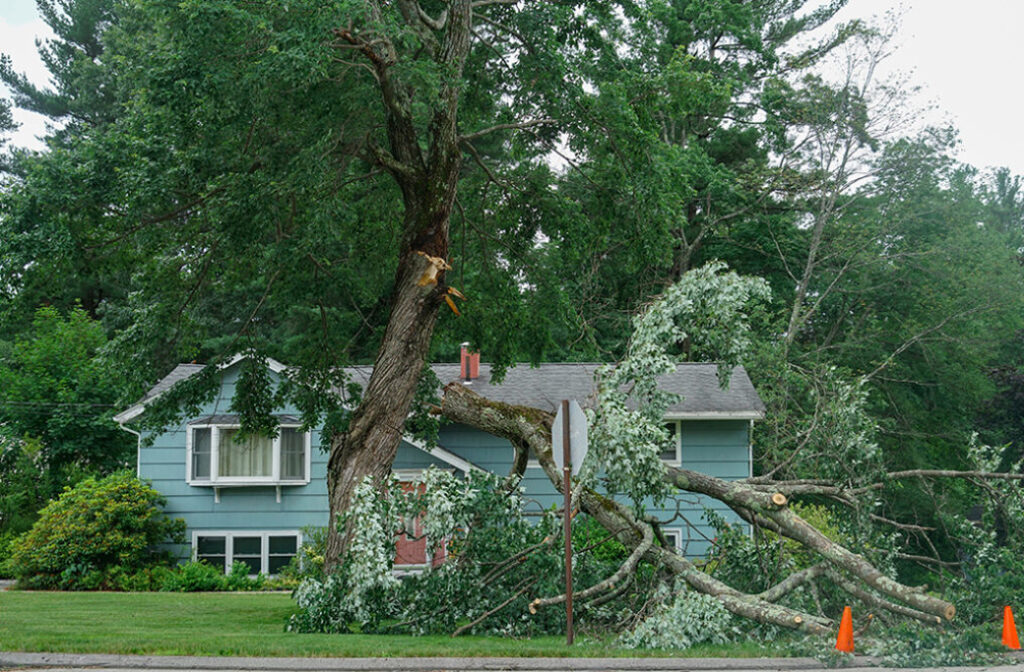
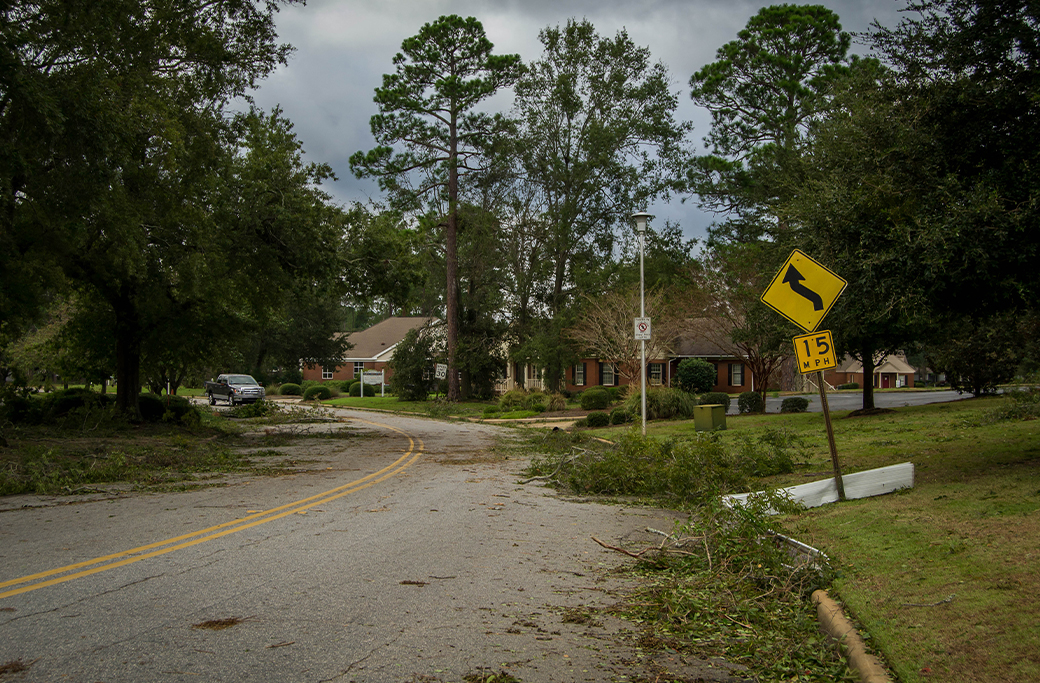
Hurricanes weaken as they move inland, but these storms still pack enough force to devastate residential landscapes. Heavy, continuous rain softens the soil around root systems. Once the ground becomes thoroughly saturated, even moderate wind gusts can easily uproot massive trees. Furthermore, hidden decay and weak limbs fail quickly under the stress of tropical storm winds. Choosing preventative maintenance over emergency cleanup saves homeowners money and significantly reduces stress when severe weather strikes.
How Can Homeowners Assess Their Trees For Hurricane Readiness?
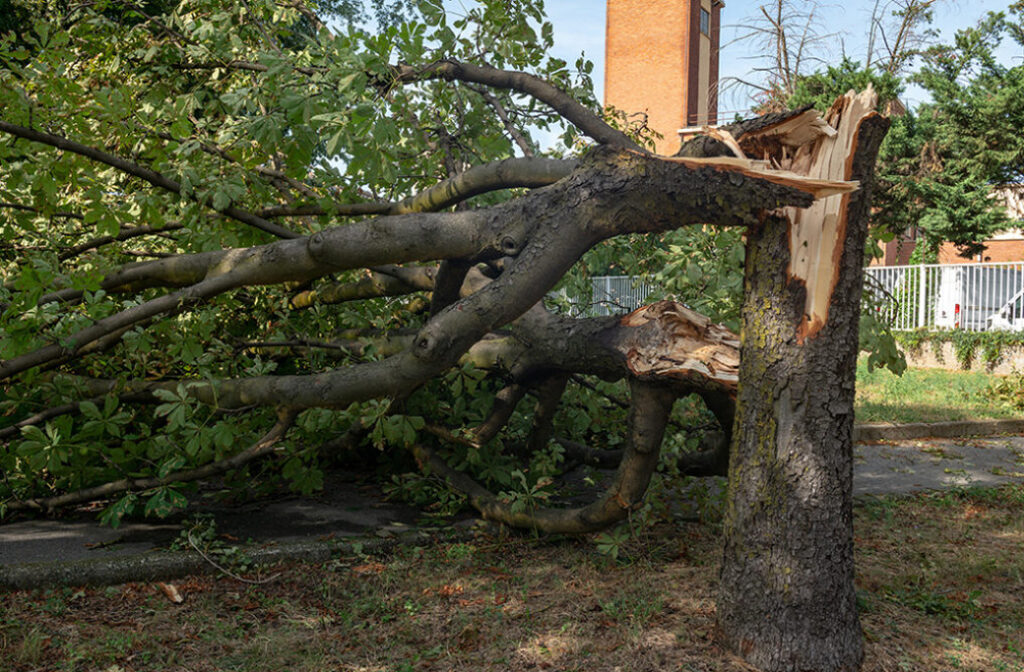
You can spot many warning signs of tree failure before a storm arrives.
What are the warning signs of dead or hanging branches?
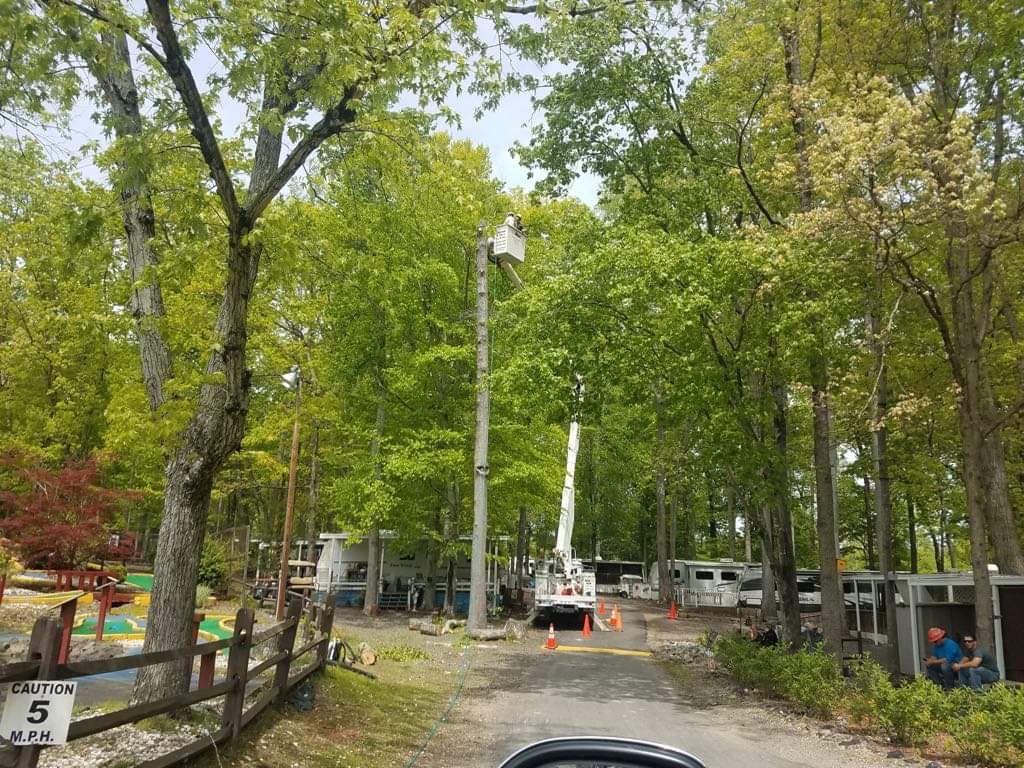
Look closely for branches missing leaves during the active growing season, deep cracks, and broken limbs. Deadwood hanging directly over driveways, roofs, decks, or children’s play areas poses a severe threat. High winds turn these dead limbs into dangerous airborne hazards. A professional from Shannon & Sons Tree Service performs crown cleaning and strategic pruning to safely eliminate these risks.
How do leaning trees and root problems increase storm risks?
Watch your landscape for sudden tree leaning, exposed root systems, or soil heaving around the base after heavy rainfall. Saturated ground drastically reduces a tree’s anchor strength. When you combine loose soil with heavy wind, a leaning tree is highly likely to uproot completely.
Why is structural trunk damage a hidden danger?
Examine tree trunks for deep cracks, splits where major limbs attach, hollow cavities, and areas of missing bark. Trees can appear perfectly healthy on the outside while suffering from extensive internal decay. This hidden rot drastically lowers the tree’s structural integrity during extreme weather.
How does tree disease affect stability during high winds?
Unhealthy trees lack the strength to withstand severe storms. Symptoms of disease or stress include premature leaf drop, sparse canopy growth, sections of dead branches, and fungus growing near the trunk’s base. Weak trees fail much faster than healthy ones, making early detection vital.
Which areas require overgrown branch trimming?
Overgrown branches require immediate attention when they encroach on rooflines, gutters, fences, vehicles, or power lines. Preventative trimming reduces the likelihood of direct impact damage. It also improves airflow through the tree’s canopy, allowing the tree to flex and withstand wind gusts rather than breaking.
Which Common Winston-Salem Trees Need Extra Attention Before Storms?
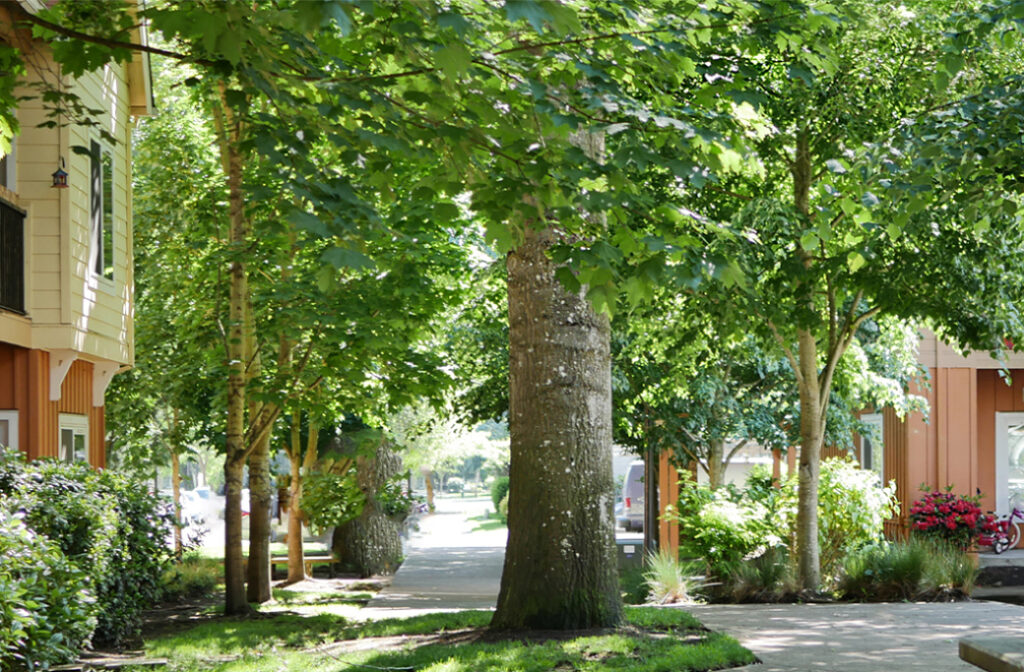
Older neighborhoods in Winston-Salem boast beautiful, mature trees growing close to homes and streets. Large mature hardwoods, such as oaks and maples, often develop hidden structural weaknesses over decades of growth. Additionally, fast-growing ornamental species possess softer wood that makes them highly prone to storm breakage.
What Are The Best Tree Care Tips To Prepare For Hurricane Season?
Proactive landscaping decisions protect your home from devastating impacts.
First, schedule preventative tree trimming early in the season. Removing weak limbs before storms arrive reduces immediate hazards, but you must avoid over-pruning or “topping” trees, which ruins long-term stability. Next, remove hazardous trees completely. Severe leaning, extensive decay, or dead trees located near structures necessitate full removal. Waiting until a storm hits often turns a manageable project into a dangerous emergency.
Additionally, address drainage issues around your property. Oversaturated soil weakens root systems, so improving water drainage around tree bases helps maintain ground stability. Finally, create a concrete emergency plan. Identify high-risk trees and keep the contact information for Shannon & Sons Tree Service accessible if you need rapid emergency storm response.
Why Is DIY Hurricane Tree Preparation Dangerous?
Taking tree maintenance into your own hands carries severe risks. Homeowners frequently suffer injuries from chainsaw kickbacks, ladder falls, and accidental contact with hidden power lines. Furthermore, weak limbs under high tension can snap unpredictably. Professional tree assessments matter because experienced arborists identify structural flaws that untrained eyes miss. The Shannon & Sons Tree Service team uses a safety-first approach and advanced equipment to safely manage dangerous tree removals.
Secure Your Property Before the Next Storm Hits
Effective hurricane season preparation begins long before tropical storm warnings appear on the local news. Taking action now allows you to address weak limbs, structural issues, and disease before high winds put your property at risk.
Contact Shannon & Sons Tree Service today for a professional storm-readiness tree assessment. Call us at 1-336-244-2633 to schedule your free estimate and protect your Winston-Salem home this hurricane season.