
There is nothing quite as frustrating as realizing your wood pile is empty right before a January freeze sets in. Whether you rely on your fireplace to lower your heating bills or simply enjoy the ambiance of a crackling fire on a Friday night, preparation is everything.
In the Piedmont Triad, our winters can be unpredictable. We might have mild weeks followed by sudden ice storms that keep us indoors for days. At Shannon & Sons Tree Service, we have spent over 20 years serving the Winston-Salem area, and we know that guessing your firewood supply often leads to a cold living room.
To help you prepare, we’ve broken down exactly how to calculate your firewood needs so you can stay cozy all season long.
Factors That Influence Your Wood Pile
Before you place an order, you need to evaluate your specific situation. A household that burns wood for primary heat needs a significantly larger stockpile than a family that only lights a fire during the holidays.
1. Fireplace Size and Efficiency
The physical size of your fireplace or wood stove dictates how much fuel you burn. Large, open masonry fireplaces consume wood quickly, often sending a lot of heat up the chimney. Conversely, modern wood stoves or inserts are highly efficient, meaning you get more heat from fewer logs, but they often require steady feeding to maintain temperature.
2. Frequency of Use
Be honest about your habits.
-
- Occasional: You light a fire for holidays, romantic dinners, or when guests come over.
- Regular: You burn wood on chilly evenings and most weekends to take the chill off the house.
- Daily: You rely on wood heat as a primary or significant secondary heat source to keep your furnace from running constantly.
3. Local Weather Patterns
Here in the Piedmont Triad, we don’t face the relentless sub-zero temperatures of the far north, but our winters are damp and can drop below freezing regularly. You need enough supply to cover the core months of December through February, plus the shoulder months of late November and March.
Calculating Your Firewood Needs
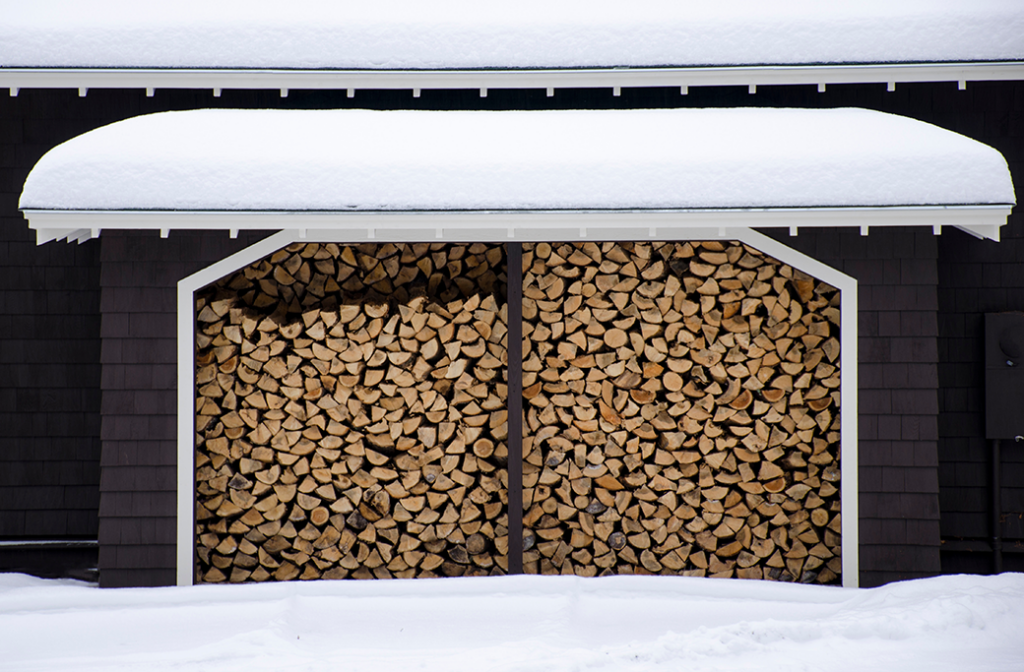
Firewood is typically measured by the “cord.” A full cord is a stack of wood measuring 4 feet high, 4 feet wide, and 8 feet long (128 cubic feet).
Here is a general formula to help you estimate your needs for a typical North Carolina winter:
“Weekend Warrior” (Occasional Use)
If you only burn 1-2 fires a week, or strictly for ambiance:
-
- Estimate: ½ Cord to 1 Cord.
- Why: This provides enough wood for roughly 30-40 fires lasting a few hours each.
“Supplemental Heater” (Regular Use)
If you burn 3-4 times a week, usually in the evenings and on weekends:
-
- Estimate: 1 to 2.5 Cords.
- Why: This covers you for consistent evening use and those colder weekends where the fire runs all day.
“Primary Burner” (Daily Use)
If wood is your main source of heat and the fire runs almost 24/7:
-
- Estimate: 3 to 5+ Cords.
- Why: To keep a house warm around the clock for 3-4 months, you will go through wood rapidly. It is always better to have too much than too little in this scenario.
Tips for Efficient Firewood Use
Buying the right amount is only half the battle. How you burn it determines how much heat you get.
Always Choose Seasoned Wood
Green (unseasoned) wood has high moisture content. It smokes heavily, creates dangerous creosote buildup in your chimney, and produces very little heat because the fire uses its energy to boil off the water. Always choose seasoned hardwoods like oak or maple. These burn hotter and longer.
Don’t let your investment rot.
-
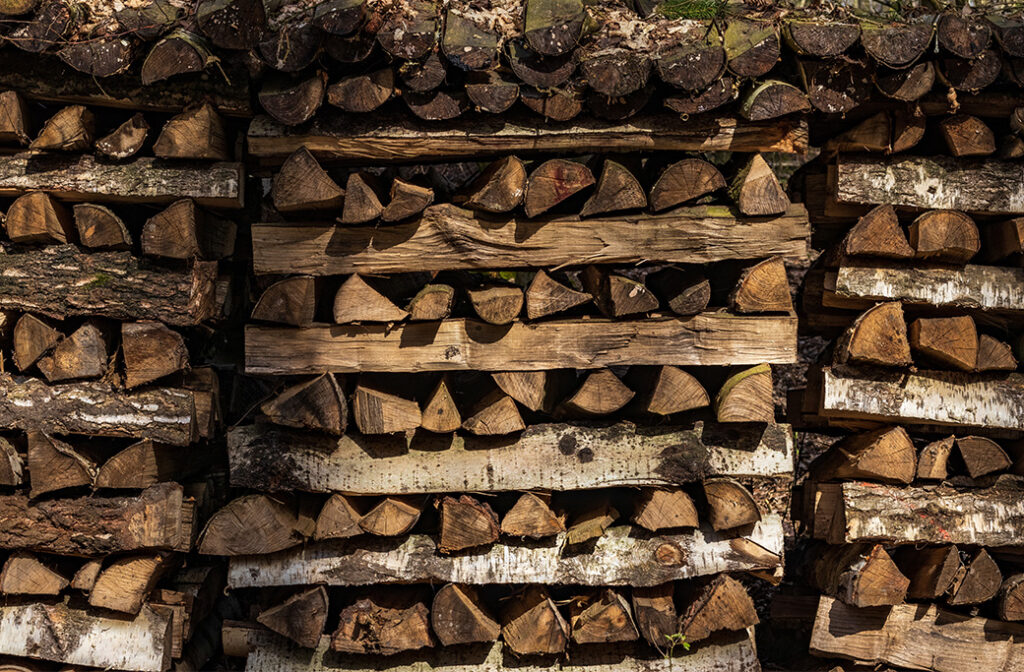
- Off the Ground: Stack wood on pallets or runners to prevent moisture from the soil wicking up into the logs.
- Cover the Top: Protect the top of the stack with a tarp or shed roof to shed rain and snow, but leave the sides open for air circulation.
Practice Safe Burning
Keep your damper open to allow smoke to escape and have your chimney inspected annually. Safe burning ensures your wood creates warmth, not hazards.
How Much Firewood You Need for Winter: Guide for Homeowners
Don’t wait for the first snowflake to fall before thinking about your firewood supply. Whether you need a small stack for holiday ambiance or a full supply to heat your home, preparation is key.
Shannon & Sons Tree Service provides premium, seasoned firewood derived from local tree removal jobs, ensuring sustainability and quality. We serve residential and commercial clients across Winston-Salem, Yadkinville, and the entire Triad area.
Call us today at 1.336.244.2633 to schedule your delivery and stay warm this winter.