We all love the look of a well-manicured landscape, but knowing exactly when to pull out the pruning shears (or call in the pros) can be confusing. Many homeowners believe that trees only need attention when a branch breaks or looks “messy,” but the truth is a bit more nuanced. Regular maintenance is the secret ingredient to longevity, safety, and that enviable curb appeal.
At Shannon & Sons Tree Service, we’ve spent decades helping residents in the Winston-Salem and Triad areas keep their properties safe and beautiful. We know that every tree is unique, but understanding the general rules of trimming can save you from costly damage down the road. Whether you have a sprawling oak or a delicate ornamental cherry, here is what you need to know about keeping your trees in top shape.
Why Tree Trimming Matters

Trimming isn’t just about aesthetics; it’s a vital health check for your landscape. Think of it like a regular haircut—it keeps things tidy, but it also encourages new, healthy growth.
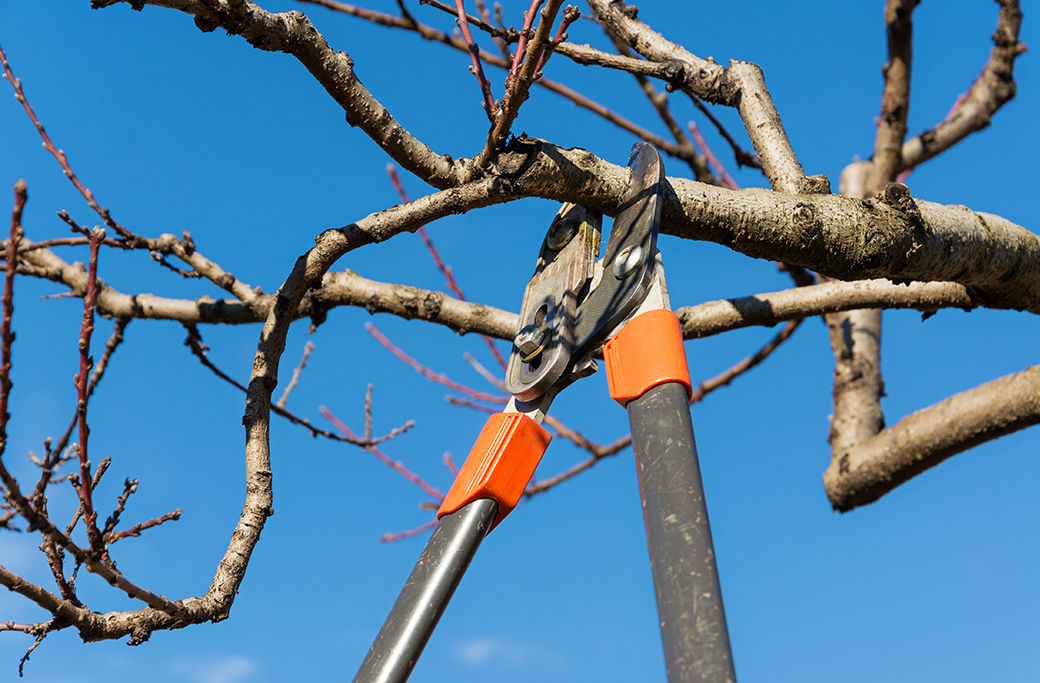
Proper pruning promotes a strong branch structure, which is essential for withstanding the unpredictable North Carolina storms. By removing weak or crossing limbs, you reduce the risk of falling branches that could damage your home or car. Furthermore, thinning out the canopy improves sunlight penetration and air circulation throughout the tree, reducing fungal diseases and helping the grass underneath to thrive.
How Often Should Trees Be Trimmed?
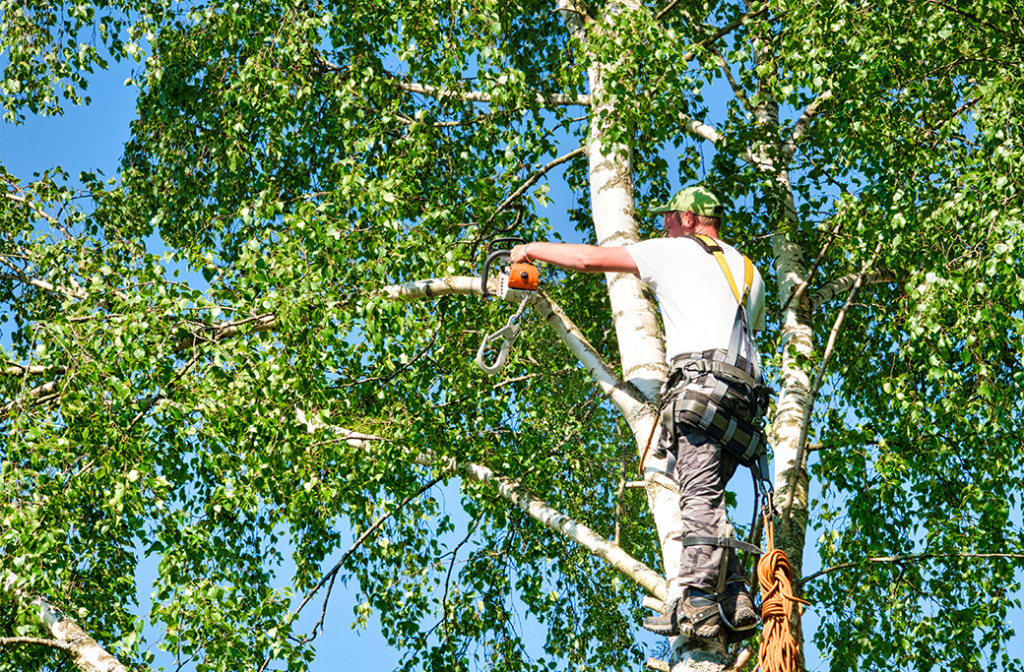
While there is no one-size-fits-all answer, most mature trees benefit from a professional trimming every 3 to 5 years. However, the age of the tree plays a significant role.
Young trees often require more frequent pruning (every 2 to 3 years) to establish a strong structure and direct their growth. Mature trees generally need less frequent maintenance, focusing more on removing deadwood and maintaining shape. Aging trees might require specialized care to reduce weight on heavy limbs without causing stress.
Trimming Frequency by Tree Type
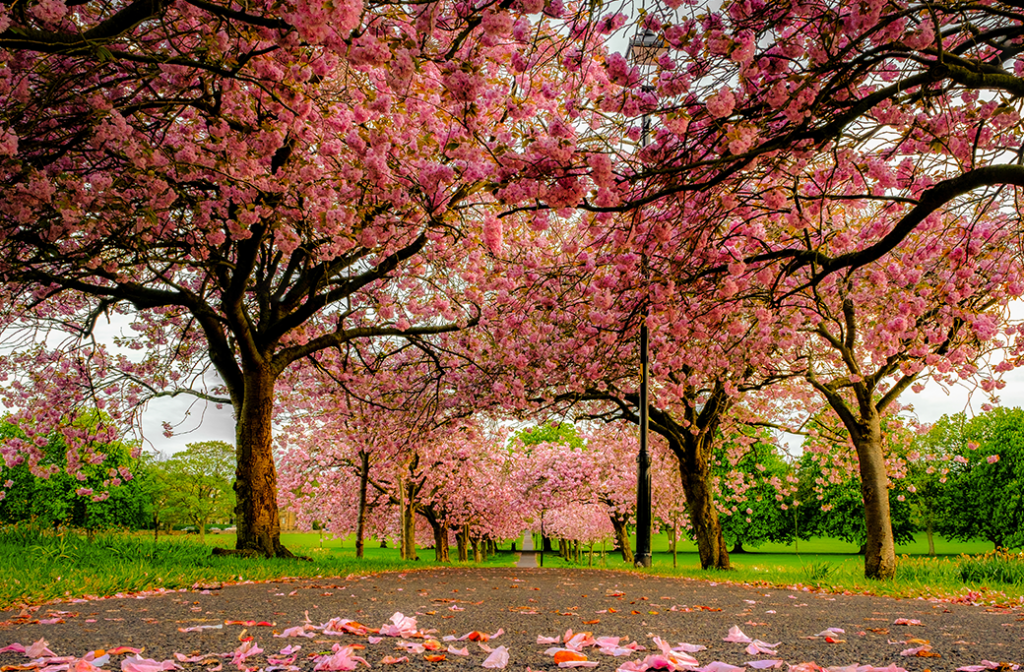
The species of your tree is perhaps the biggest factor in determining your maintenance schedule.
Shade Trees
Large shade trees like oaks, maples, and elms are the backbone of many yards. These sturdy giants typically need trimming every 3 to 5 years. This schedule allows them to maintain structural integrity without over-stressing the tree.
Ornamental and Flowering Trees
Trees planted for their blooms, such as dogwoods or crab apples, often need more frequent attention to maximize flowering. Plan on pruning these every 2 to 3 years, usually right after they finish blooming.
Evergreens vs. Deciduous
Evergreens (like pines and spruces) generally require less pruning than deciduous trees, often going 5 to 7 years between major trims unless there is storm damage. Deciduous trees, which lose their leaves annually, are more forgiving but need regular maintenance to keep their canopy open.
Seasonal Considerations for Tree Trimming
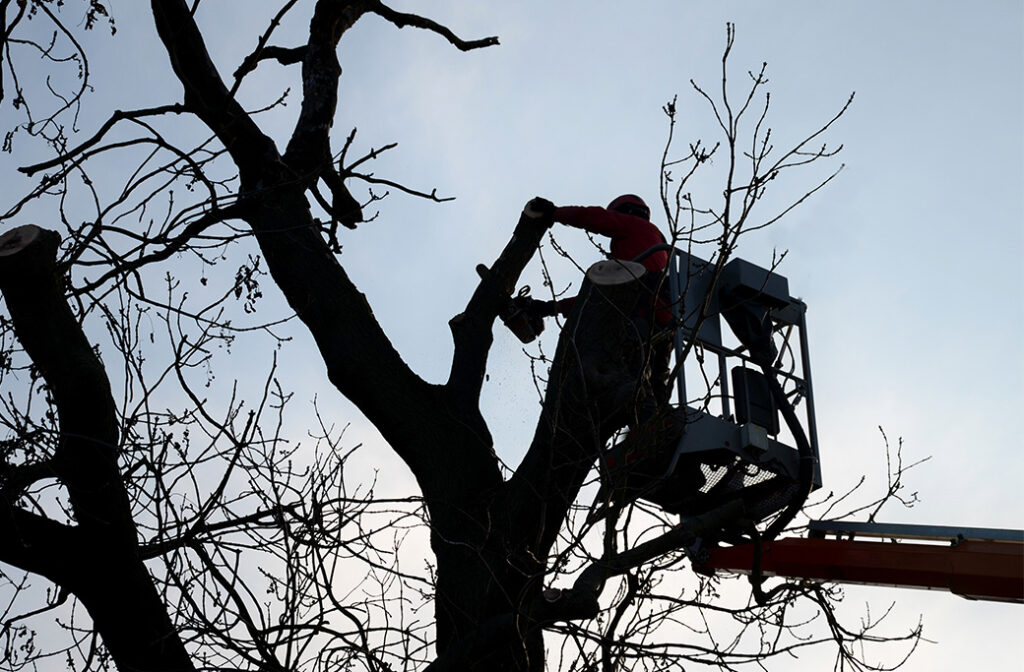
Timing is everything. For most species, the dormant season—late winter—is the ideal time to trim. Without leaves, the tree’s structure is clearly visible, and the risk of transmitting disease or attracting pests is significantly lower.
Spring and summer trimming is sometimes necessary, particularly for removing deadwood or for safety reasons, but heavy pruning during the growing season can stress the tree. Of course, safety issues always trump the calendar: if a branch is dangerous, it should be removed immediately, regardless of the season.
Signs Your Tree Needs Trimming Now
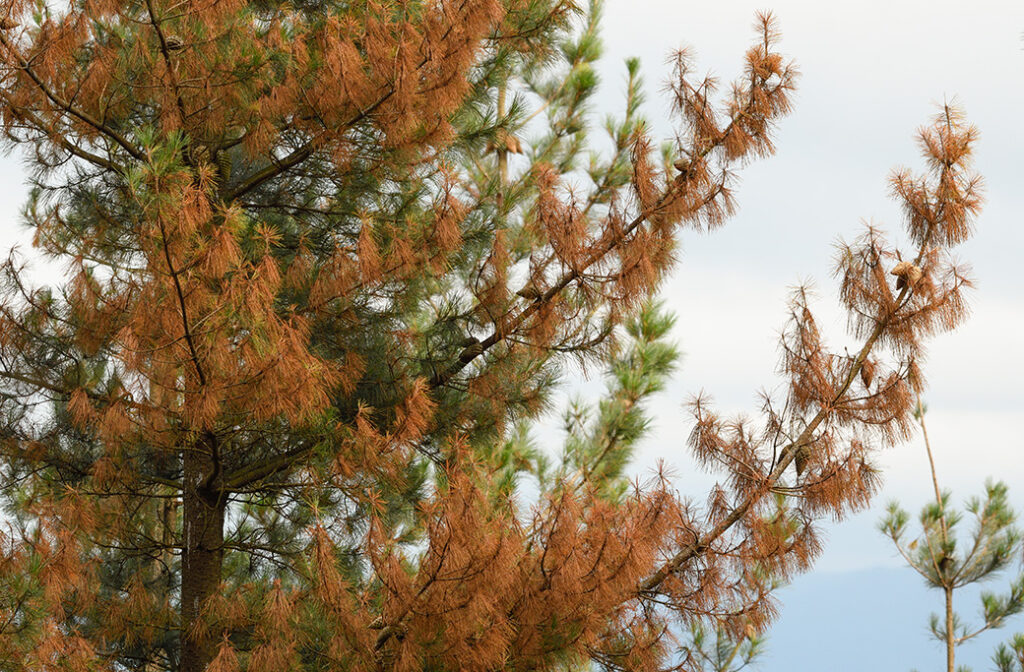
Sometimes your tree will tell you it needs help before your scheduled maintenance. Keep an eye out for these red flags:
-
- Dead, cracked, or hanging branches: These are immediate hazards often referred to as “widow makers.”
- Proximity to structures: If branches are touching your roof, power lines, or garage, they need to be cut back to prevent damage.
- Dense canopy: If you can’t see the sky through the leaves, the wind can’t pass through easily, increasing the risk of the tree toppling in a storm.
- Disease or pests: Discolored leaves, visible fungi, or sawdust at the base of the tree are signs that professional intervention is needed.
Risks of Over-Trimming or Improper Trimming
While neglect is bad, over-zealous pruning can be just as harmful. “Topping” a tree—cutting the top off to reduce height—is a common mistake that creates weak, fast-growing shoots and leaves the tree vulnerable to decay.
Improper cuts can strip away bark or leave stubs that invite pests. Every cut is a wound, and if a tree has too many wounds at once, it can enter a decline spiral that is hard to reverse.
Why Professional Tree Trimming Makes a Difference
This is where expertise counts. Professional arborists understand the biology of trees. We know exactly where to make a cut to ensure the tree heals quickly and correctly.
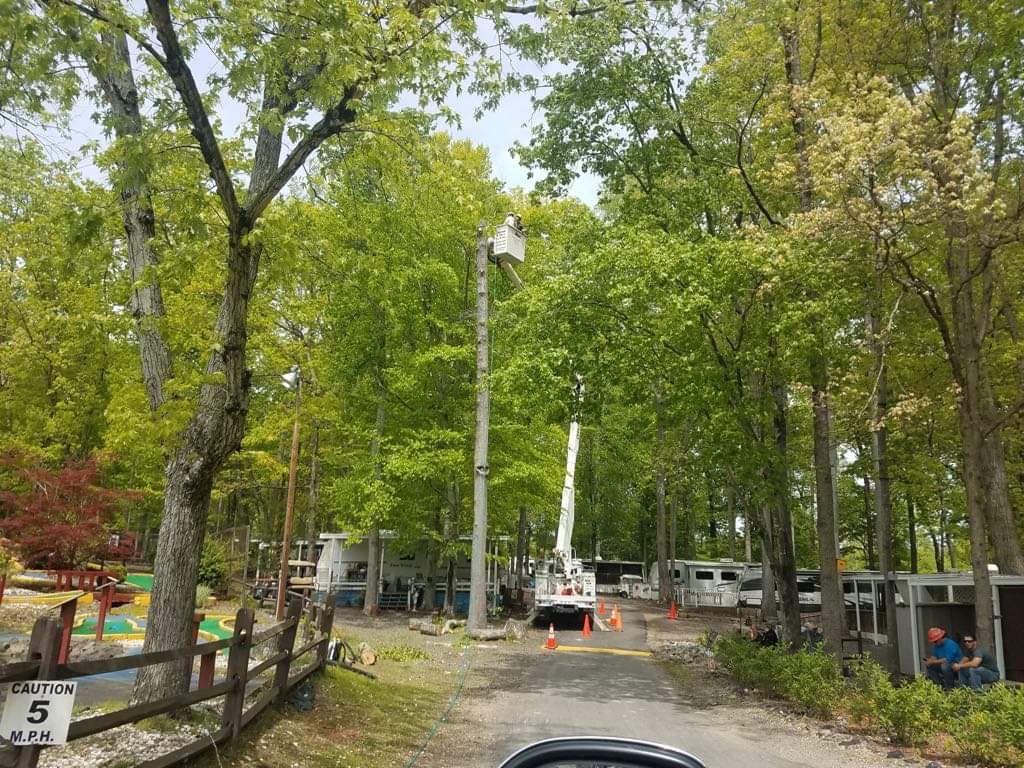
Safety is another massive factor. Tree work is dangerous; using ladders and chainsaws requires specialized training and protective gear. At Shannon & Sons, we create customized trimming plans based on the specific health and location of your trees, ensuring your property looks great without risking your safety.
How Often Should You Trim Your Trees? Tree Care Tips
Don’t wait for a storm to reveal the weak points in your landscape. At Shannon & Sons Tree Service, we offer comprehensive tree inspections and preventive pruning to reduce storm damage risks. Whether you need a one-time cleanup or an ongoing maintenance plan for your residential or commercial property, we are here to help.
Ready to give your trees the care they deserve?
Call us today at 1.336.244.2633 or visit our website to schedule a professional tree inspection. Let us help you keep your property safe and beautiful year-round.