Quick answer: Drought stress is what happens when a tree doesn’t get enough water during long dry spells. You might see wilting leaves, leaves falling off too early, or dead branches. You can protect the trees in your yard from serious drought damage by giving them a good, deep watering regularly and putting down a layer of mulch.
Hot, dry weather can quietly harm the trees on your property. Many people think that big, established trees can handle harsh weather on their own. However, long dry spells can dry out the soil, leaving even large, old trees at risk.
When a tree doesn’t get enough water, it gets stressed. This weakens its natural defenses, making it more likely to get sick from diseases, attract pests, or have branches break off. If you don’t step in to help, the tree’s health can get worse, and it could become a danger to your house and driveway.
At Shannon & Sons Tree Service, we’re a local company that helps homeowners in the Winston-Salem and Triad areas. Our arborists can spot stressed trees and figure out the best way to care for them before the damage gets serious. Taking a few steps now can save your valuable trees and help you avoid the high cost of removing them later.
What Is Drought Stress and Why Does it Happen to Trees?
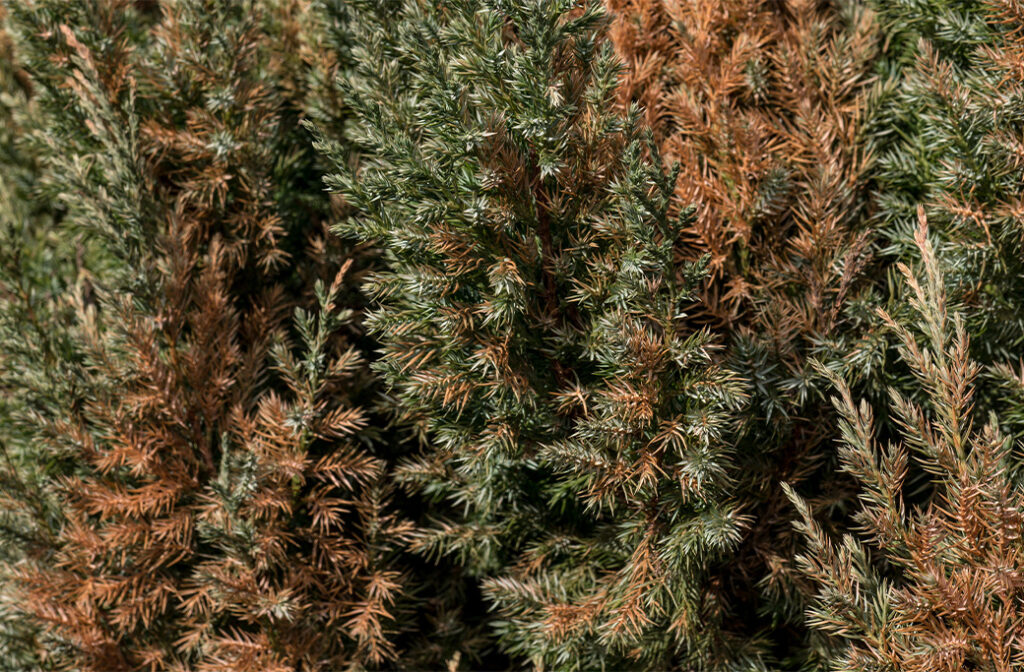
Drought stress happens when a tree loses more water through its leaves than it can soak up from the soil with its roots. This imbalance messes up its ability to make food and move nutrients around.
Several things can cause this. Long periods of dry weather and hot summer days make water evaporate from the soil much faster. The type of soil matters, too. If the soil is packed down hard, water can’t soak in and just runs off instead of getting to the roots. Also, if there’s a lot of grass or other plants growing near the tree, they can use up the water before the tree’s roots can get to it. Stressed trees get weaker and weaker, which makes them easy targets for wood-boring insects and more likely to be damaged in a storm.
What Are The Common Signs Of Drought Stress In Trees?
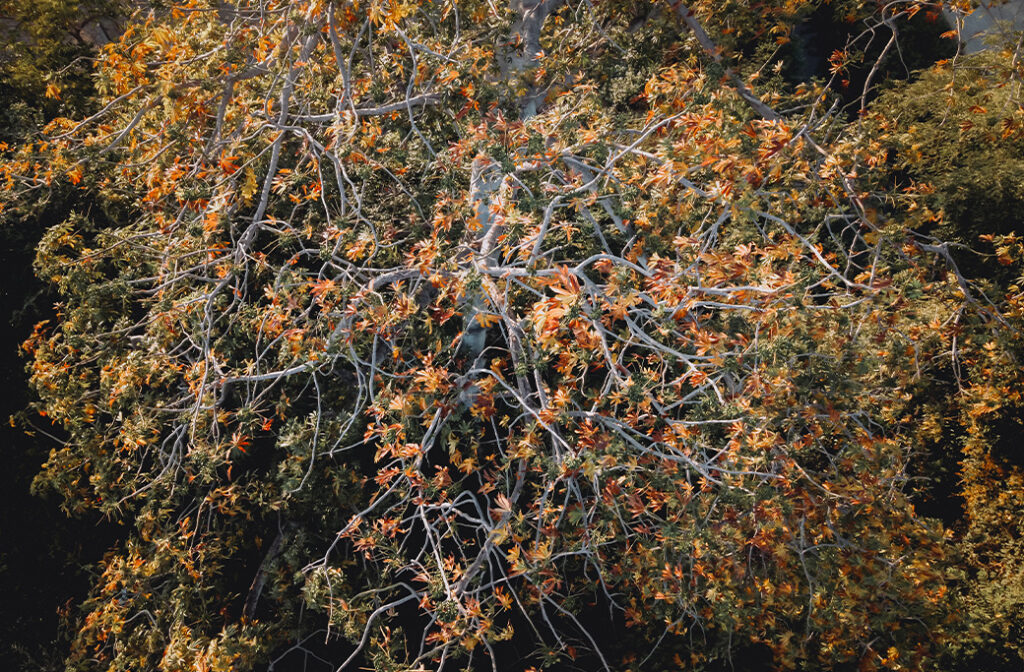
Homeowners should check their trees regularly, especially during the summer. Catching the early signs of dehydration lets you fix the problem before it causes permanent damage.
Why are the leaves wilting, curling, or drooping in the summer?
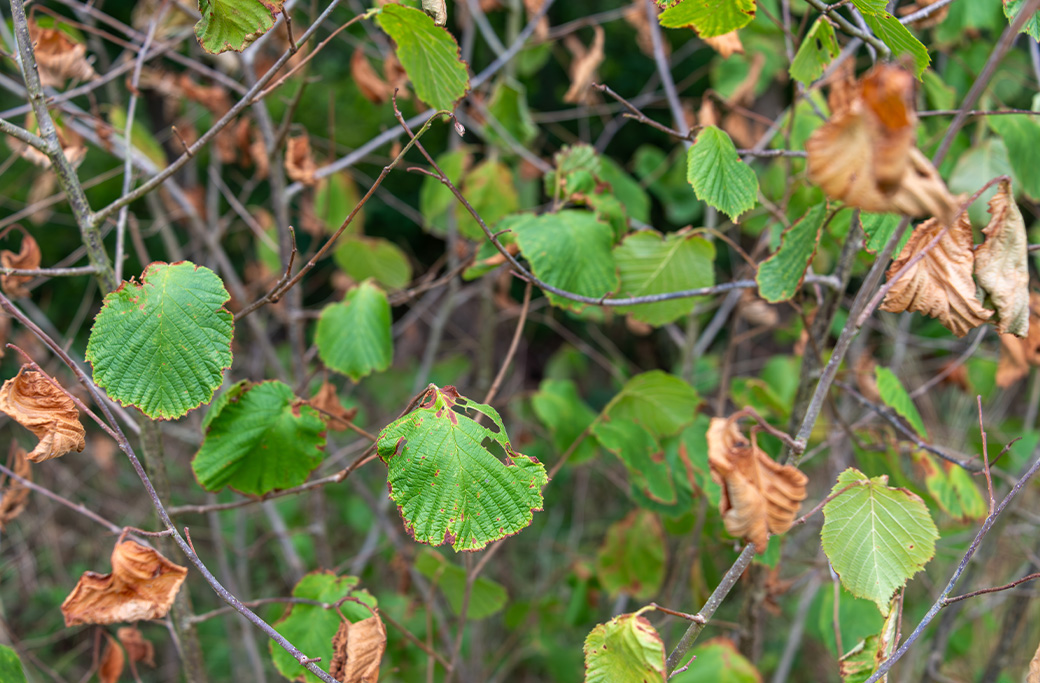
Wilting or drooping leaves are often the first sign that a tree is thirsty. If the leaves are curling up or have dry, crispy edges, the tree is trying to save water by closing off its leaves.
What’s causing leaves to fall off in the middle of summer?
If a tree is losing its leaves or getting bare spots in the summer, it’s a survival tactic. The tree is dropping leaves to save energy and reduce the amount of water it needs.
Why are the leaves turning yellow or brown?
Yellowing leaves, brown edges, or what looks like scorch marks mean the tree is seriously dehydrated. The heat and lack of water are causing the leaves to lose their healthy green color, making them look dull or faded.
What does it mean if the new leaves are small or the tree looks thin?
When new leaves are much smaller than they should be, or the tree’s canopy looks thin, it means the tree doesn’t have the energy to grow properly. This is a strong sign that the tree has been under stress for a while.
Why are there cracks in the ground around the tree?
If the ground around the base of the tree is dry and hard, with cracks that pull the soil away from the roots, that’s a big red flag. Hard, dry soil keeps the roots from getting the water and oxygen they need.
What causes dead twigs or branches at the top of the tree?
If twigs and branches at the top of the tree are brittle and don’t have any leaves, it’s a sign of advanced drought stress. The tree is trying to survive by cutting off water and nutrients to its weaker parts, which leads to dead limbs that can break and fall.
Which Types Of Trees Are Most Vulnerable To Drought Stress?
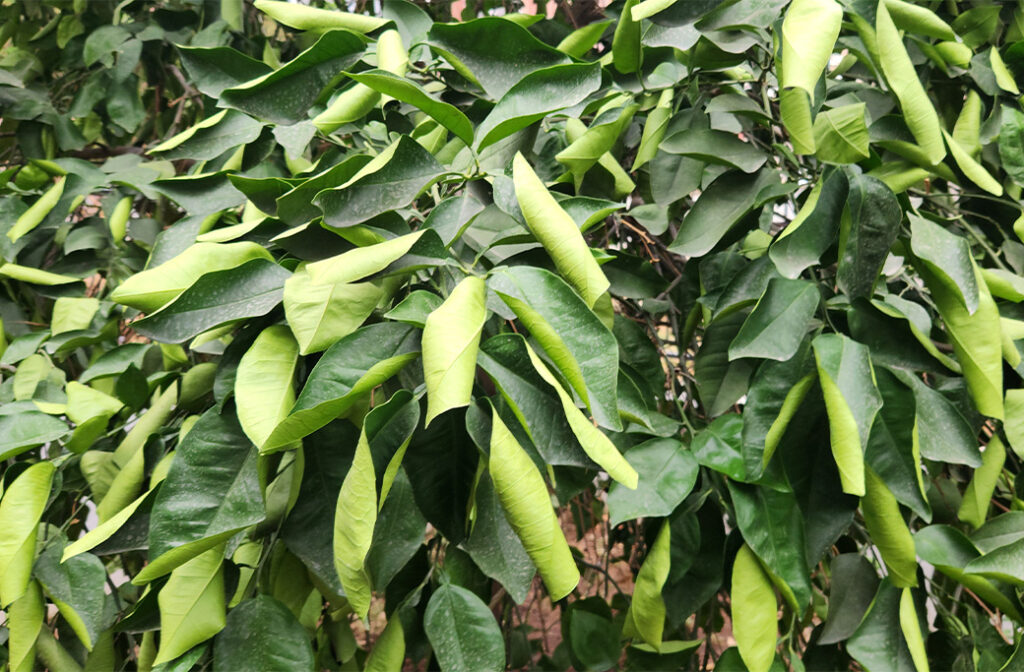
Newly planted trees face the highest risk during dry weather. Younger root systems remain shallow and struggle to reach deep soil moisture. Conversely, mature trees also require massive volumes of water to sustain their large canopies during prolonged dry periods.
Certain tree species tolerate drought better than others. In North Carolina, common native trees like Dogwoods and Maples frequently show rapid drought stress symptoms compared to more drought-resistant oaks or pines.
How Does Severe Drought Stress Weaken Residential Trees?
Dehydration compromises a tree’s natural defense mechanisms. Weak trees actively attract borers, bark beetles, and other destructive insects that prey on compromised wood.
Stressed trees also struggle to fight off fungal and bacterial problems that healthy trees normally repel. Furthermore, dried-out wood becomes incredibly brittle. Brittle branches carry a much greater risk of breaking and falling during turbulent summer thunderstorms, creating a safety hazard for property owners.
How Can Homeowners Protect Trees During Hot, Dry Weather?
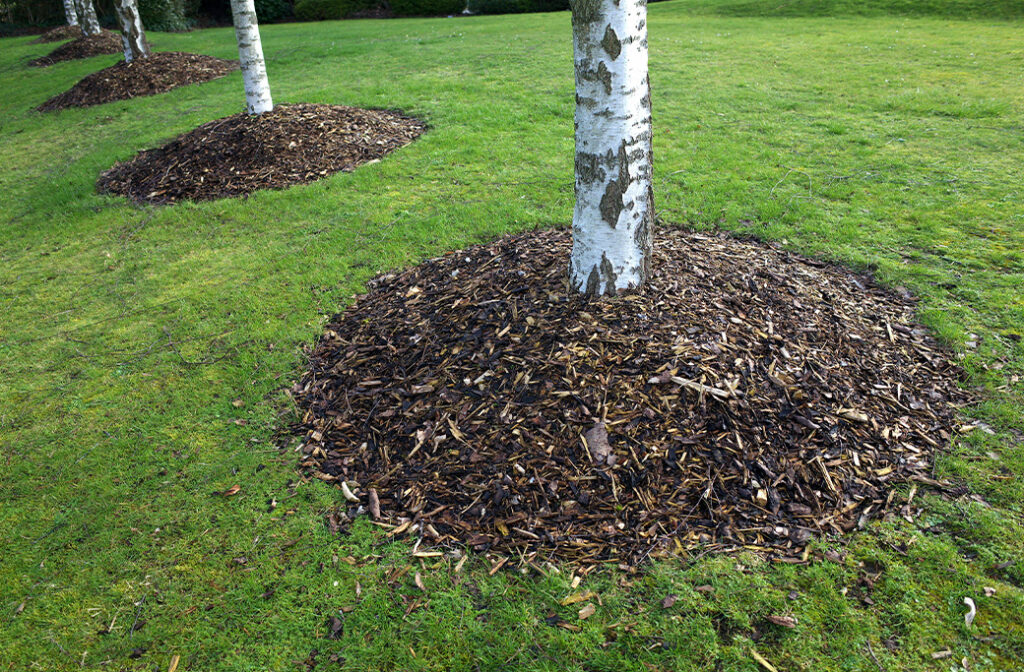
Consistent maintenance during the summer provides a lifeline for struggling landscaping. Proper watering and ground care make a significant difference in tree health.
Water Deeply
Deep watering encourages stronger, deeper root growth. Homeowners should focus water directly over the root zone rather than relying on shallow, daily watering. Early morning watering represents the best practice, as it reduces evaporation loss. Property owners must also avoid overwatering, as flooded soil suffocates roots.
Add Mulch Around the Base
Applying a layer of organic mulch helps the soil retain moisture and regulates ground temperatures. Mulch also reduces competition from surrounding grass. Homeowners should apply a two-to-three-inch layer but must avoid piling mulch directly against the tree trunk, a harmful practice known as creating “mulch volcanoes.”
Avoid Heavy Pruning During Extreme Heat
Excessive trimming can dramatically increase stress during drought conditions. Removing live branches forces the tree to expend energy healing wounds instead of surviving the heat. However, hazardous or fully dead branches should always be safely removed by professionals.
When Should Homeowners Contact A Professional Tree Service?
Property owners should never ignore sudden leaf loss, severe discoloration, branch dieback, or visible pest activity.
Homeowners must call a professional tree service when they notice large dead branches, leaning trunks, severe canopy thinning, or trees located dangerously close to homes and power lines. Arborists possess the training to identify hidden structural stress, recommend appropriate treatments, and help property owners prevent expensive emergency removals later on.
How Does Shannon & Sons Tree Service Help Stressed Trees?
With over 20 years of experience in the Winston-Salem area, Shannon & Sons Tree Service provides comprehensive tree health evaluations for residential and commercial properties.
Our professional tree care services include safe pruning and trimming, hazardous limb removal, storm preparation, and complete tree removal when a specimen cannot be saved. Local homeowners trust Shannon & Sons Tree Service because our team delivers honest recommendations, prioritizes safety, and relies on deep arboricultural knowledge to protect local landscapes.
Protect Your Trees from Drought Stress This Summer
Drought stress often starts quietly, showing only minor symptoms before escalating into a serious threat to your property. Homeowners must monitor their trees closely throughout hot, dry weather, and act early to provide supplemental water and proper mulching.
Do not wait for brittle branches to fall or pests to overtake your canopy. Contact Shannon & Sons Tree Service today for a professional tree inspection and secure arborist care before drought damage worsens.