Winter in the Triad area is often beautiful, but it can also be unpredictable. One day you are enjoying crisp autumn air, and the next, an ice storm is coating everything in a heavy, frozen glaze. While we often worry about driving conditions or heating bills, the real danger might be looming right in your backyard.
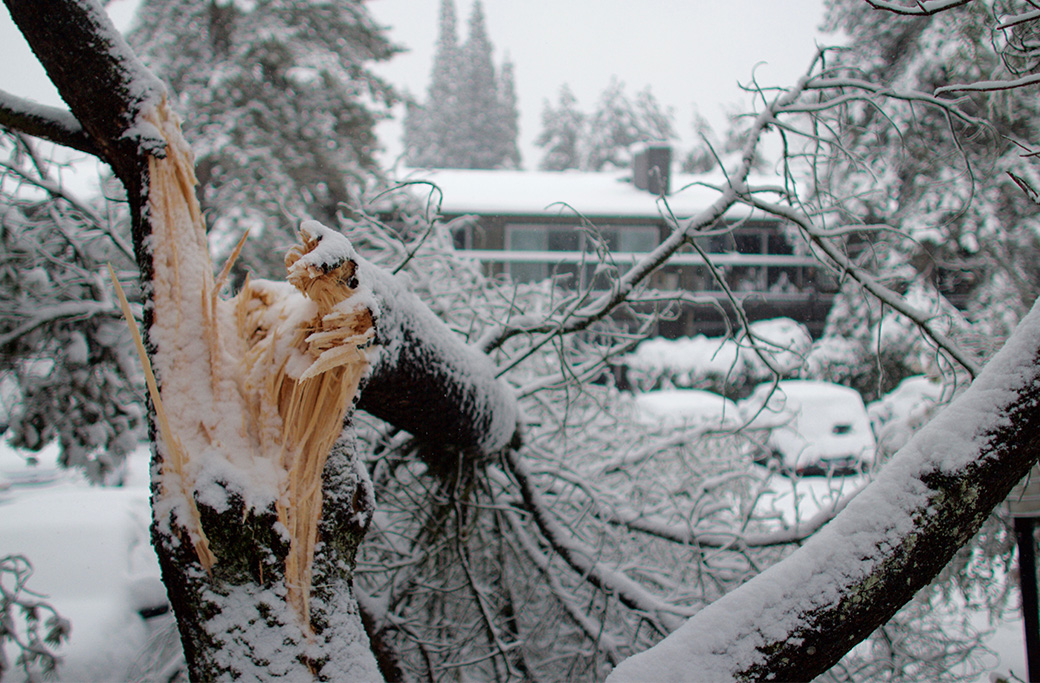
Ice accumulation adds incredible weight to tree limbs. For a healthy tree, this is a challenge; for a weak or diseased tree, it is often a breaking point. A falling branch, or worse, an entire tree, can cause significant property damage and pose serious safety risks. The good news is that you don’t have to be an arborist to spot the warning signs. By performing a basic visual inspection now, you can address potential hazards before the first freeze arrives.
How to Identify Dead Trees
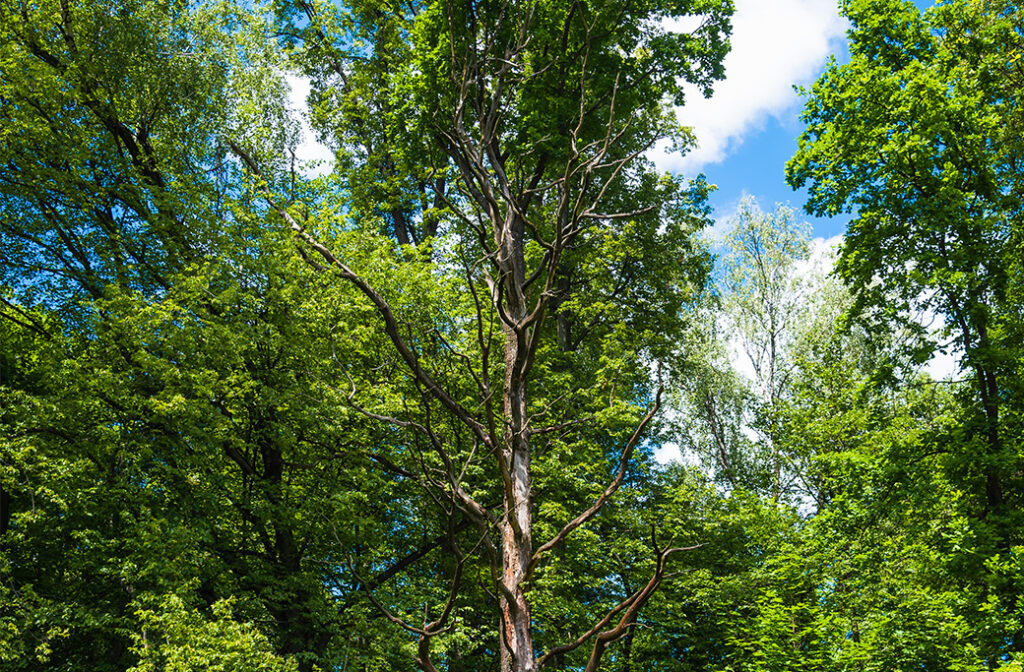
A dead tree is a ticking time bomb during winter weather. Without live wood to provide flexibility and strength, these trees become brittle and prone to snapping under pressure.
Visual Cues
Start by looking up. During early fall, a dead tree or branch will often lack leaves while surrounding trees are still full. If the tree is deciduous and it’s already winter, look for branches that have lost their bark or appear dry and brittle compared to the rest of the tree.
Structural Issues
Inspect the trunk for large cracks or cavities. These hollow spots compromise the tree’s structural integrity. Additionally, look for fungal growth, such as mushrooms growing at the base of the trunk or on the bark. This is a strong indicator of internal rot, meaning the wood inside is decaying and losing strength.
Spotting Diseased Trees
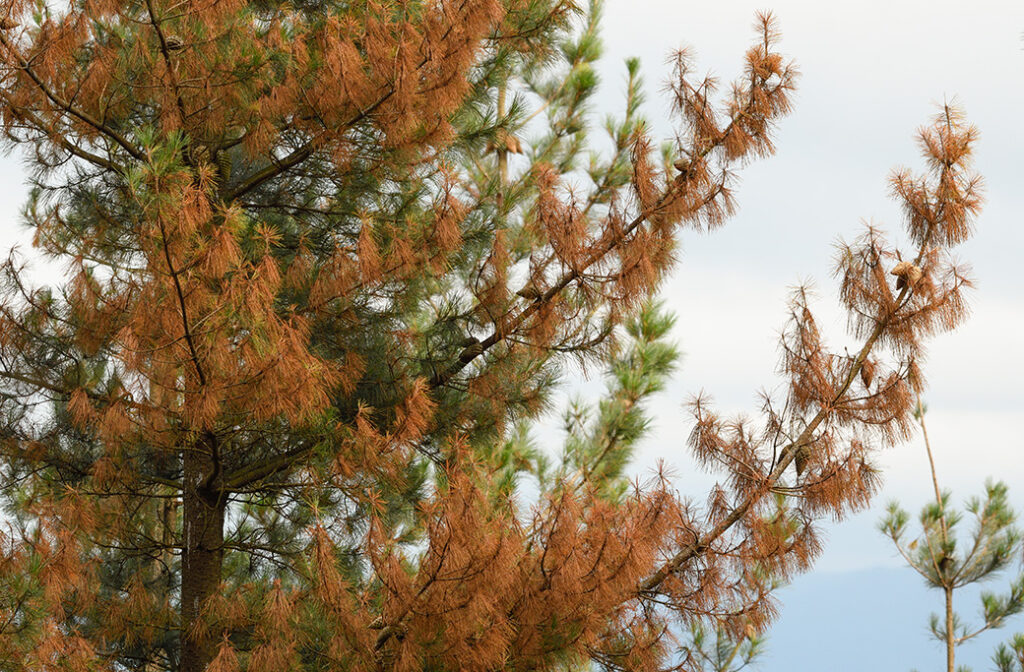
Disease weakens a tree’s natural defenses, making it susceptible to breaking. In the Winston-Salem area, trees face various local pathogens that can silently eat away at their health.
Signs of Disease
Healthy leaves should be vibrant. If you notice leaves that are discolored, spotted, or wilting out of season, the tree may be fighting an infection. On the branches and trunk, look for cankers (sunken patches of dead bark) or unusual growths. These are clear signals that the tree is under stress and requires Weak Tree Identification before winter sets in.
Recognizing Unstable Trees
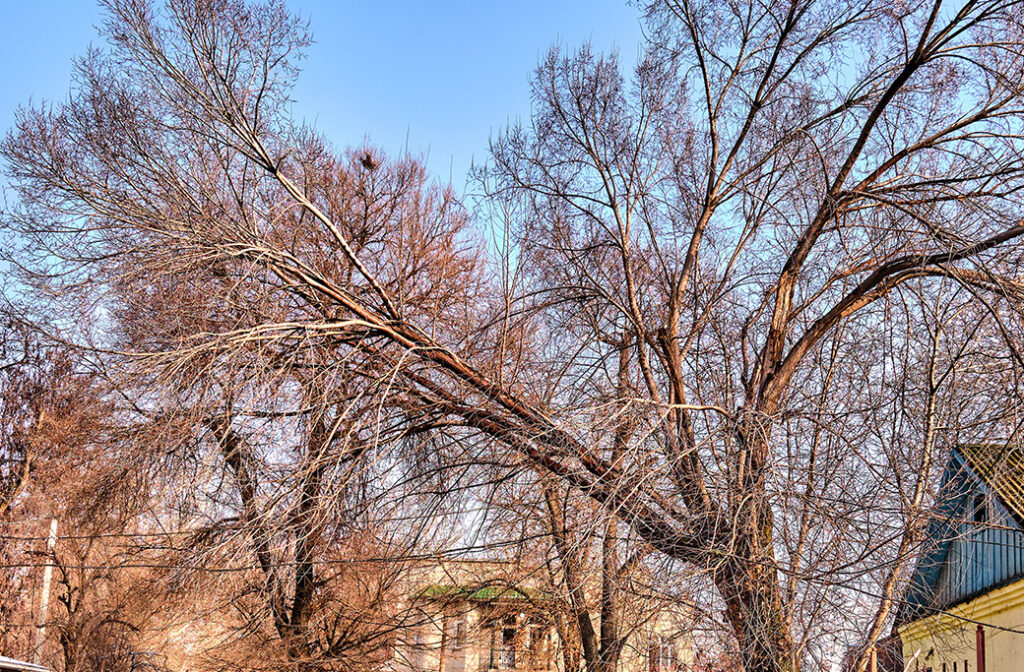
Sometimes a tree is alive and disease-free but structurally unstable due to root issues or poor growth patterns.
Leaning Trees
A slight lean is natural for many trees. However, if a tree has suddenly started leaning or is tilting at a sharp angle, this is a major red flag. It suggests the root system has failed or the soil has shifted.
Root Problems
Your inspection should start at the ground level. Look for heaving soil or exposed roots on the side opposite the lean. This indicates the tree is literally pulling out of the ground. If the root plate is compromised, the heavy weight of ice or snow can easily topple the entire tree.
Risks of Ignoring Weak Trees
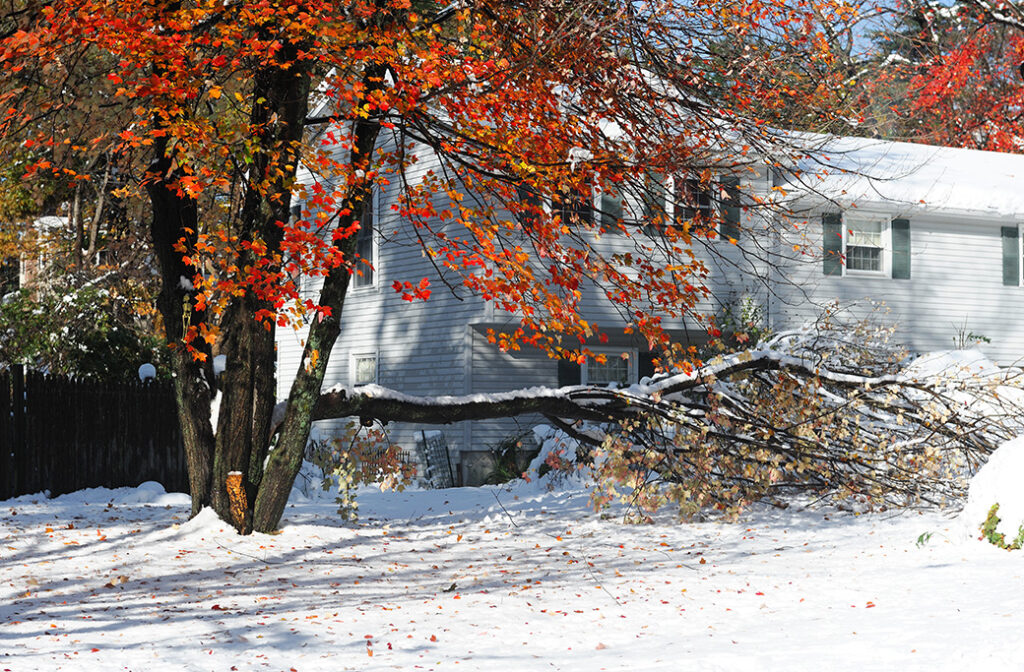
Ignoring these warning signs can lead to costly consequences. Winter storms in North Carolina are notorious for bringing down power lines and crushing roofs. A proactive approach to Winter Tree Care isn’t just about aesthetics; it is about protecting your home and family. The cost of removing a hazardous tree is a fraction of the cost of repairing a damaged roof or vehicle.
Proactive Measures
The best defense is a good offense. Regular inspections of your property allow you to catch issues early. However, some signs of distress are subtle and require a trained eye.
If you spot anything concerning, or if you are simply unsure about the stability of a large tree near your home, contact a professional Winston-Salem Tree Service provider. At Shannon & Sons Tree Service, our arborists can evaluate the health of your trees and recommend the best course of action, whether that means targeted pruning or complete removal.
How to Identify Weak or Hazardous Trees Before Winter Ice Storms
Your trees add immense value and beauty to your property, but they shouldn’t keep you up at night when the wind howls. By taking the time to identify potential hazards now, you ensure a safer winter for your home and neighbors. If you need help securing your landscape, don’t hesitate to reach out to our team at Shannon & Sons Tree Service.