
Healthy trees improve air quality, reduce stormwater runoff, provide natural shade, and support local wildlife—making them one of the most valuable environmental assets a homeowner can maintain. Professional tree care services, including trimming, health assessments, and strategic removal, help trees stay strong, safe, and environmentally beneficial year-round.
Every year on June 5, communities around the world recognize World Environment Day, a moment to reflect on what we can do to protect the natural systems that support healthy living. Recycling programs and carbon footprint calculators often dominate the conversation. But one of the most impactful environmental contributions is already standing in your backyard.
Trees. Healthy ones.
At Shannon & Sons Tree Service, we’ve spent over 20 years caring for trees across Winston-Salem and the surrounding Triad area. What we’ve seen time and again is that well-maintained trees do far more than add curb appeal. They actively protect the environment, support local ecosystems, and make neighborhoods more livable. This World Environment Day, we want to highlight why tree health deserves a place in any serious conversation about environmental stewardship—and what homeowners can do to invest in it.
Why Are Trees Important for the Environment?
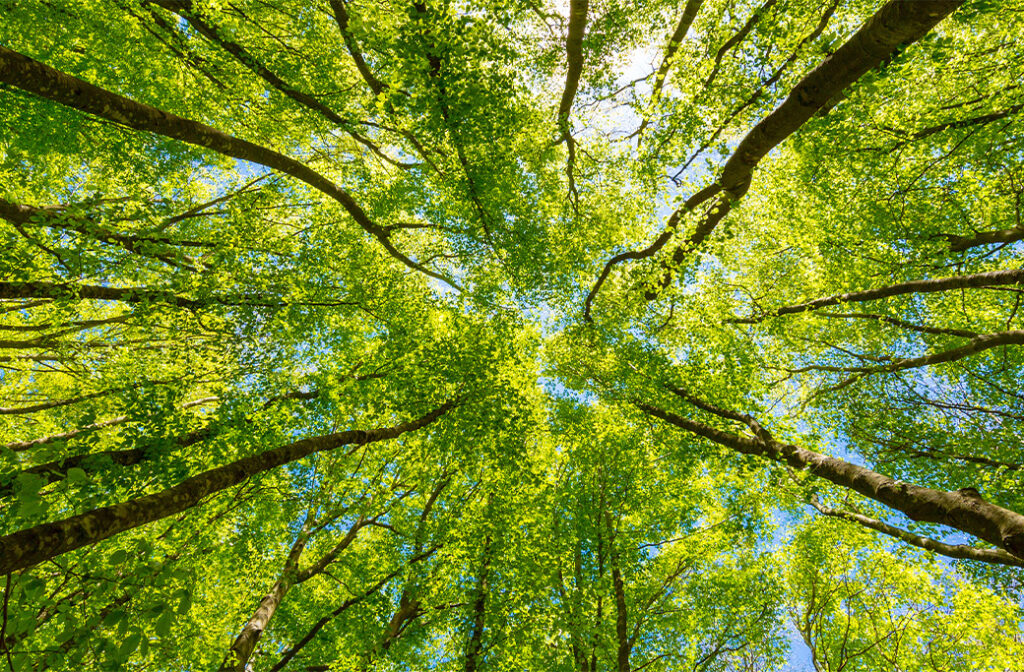
Trees are among the most efficient natural tools for improving local environmental conditions. A single mature tree can absorb roughly 48 pounds of carbon dioxide per year, releasing oxygen in return. Across a neighborhood full of healthy trees, that adds up fast.
Beyond carbon absorption, trees serve several other critical environmental functions:
How Do Healthy Trees Improve Air Quality?
Trees act as natural air filters. Their leaves and bark trap airborne particles—including dust, pollen, and pollutants—before those particles reach the air we breathe. In urban and suburban areas like Winston-Salem, where vehicle traffic and industrial activity contribute to air pollution, a dense canopy of healthy trees measurably improves neighborhood air quality.
Unhealthy or dying trees, on the other hand, lose much of this capacity. Sparse leaves, damaged bark, and weakened root systems reduce a tree’s ability to absorb and filter effectively.
Trees Naturally Cool Properties During North Carolina Summers
North Carolina summers are no joke. Strategically placed trees can reduce surface temperatures around a home by providing shade that limits heat buildup on rooftops, driveways, and lawns. This natural cooling effect can lower residential energy costs and reduce the urban heat island effect—a common problem in areas with significant impervious surface coverage.
Shade trees on the west and south sides of a home are particularly effective at blocking afternoon sun during the hottest months.
Trees Help Prevent Soil Erosion and Stormwater Runoff
Root systems do invisible but vital work. Tree roots stabilize soil, preventing erosion during heavy rainfall events. They also absorb excess water before it can pool, flood, or carry sediment into local waterways. For Winston-Salem homeowners dealing with sloped yards or properties near drainage areas, healthy trees with deep, intact root systems provide meaningful flood and erosion protection.
Trees Support Local Wildlife
From birds nesting in the canopy to pollinators feeding on blossoms, trees are foundational habitat for countless species. A mature oak tree alone can support hundreds of insect species, which in turn support birds, bats, and other wildlife. Maintaining healthy trees on your property directly contributes to local biodiversity—something that matters well beyond your fence line.
For homeowners interested in extending this benefit across their entire property, pairing tree care with broader lawn and landscape maintenance creates a more complete and supportive ecosystem.
Why Tree Health Matters More Than Most Homeowners Realize
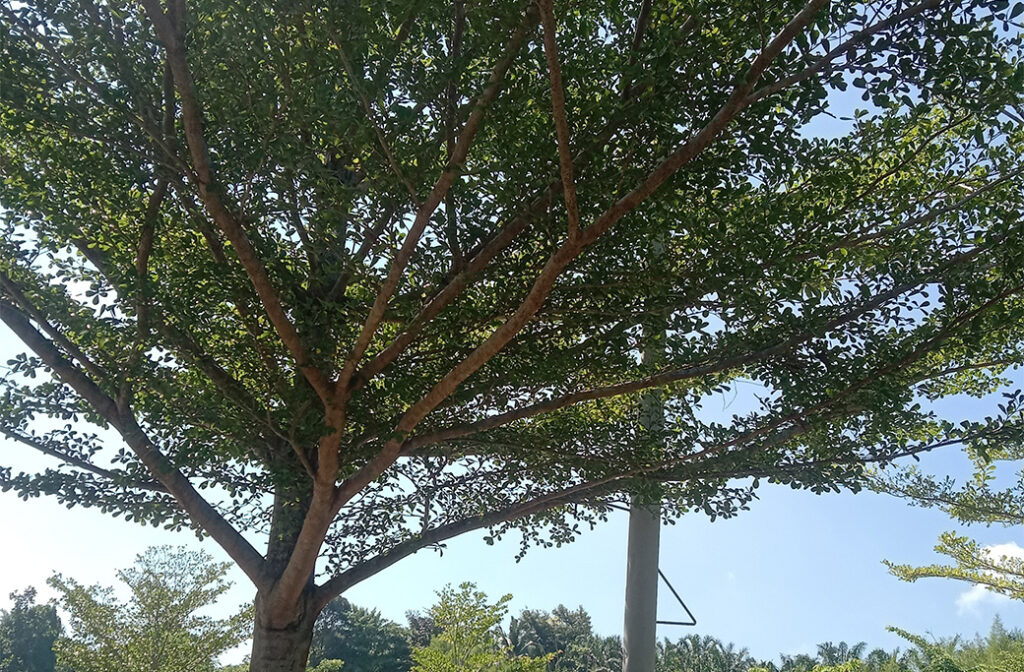
A tree that looks fine from a distance isn’t always a healthy one. Structural weakness, internal decay, and disease can develop slowly and invisibly—until a storm or dry spell accelerates the damage.
Unhealthy trees pose three significant problems:
-
- Safety hazards — Dead limbs and structurally compromised trunks can fall without warning, damaging property or injuring people.
- Pest and disease vulnerability — Weakened trees attract bark beetles, fungal infections, and other destructive organisms that can spread to neighboring trees.
- Reduced environmental benefit — A stressed or declining tree absorbs less carbon, filters less air, and stabilizes less soil than a healthy counterpart.
What Are the Common Signs of Poor Tree Health?
Homeowners should watch for these warning signs:
-
- Dead or dropping limbs, particularly in upper portions of the canopy
- Sparse or yellowing leaves during growing season
- Cracks, splits, or cavities in the trunk
- Fungal growth near the base or on the bark
- Leaning that has developed or worsened over time
Catching these signs early gives arborists the best chance to intervene before a tree becomes a liability rather than an asset.
How Does Professional Tree Care Support Environmental Health?
Tree care is often misunderstood as synonymous with tree removal. In practice, responsible tree service is primarily about preservation—keeping trees healthy, safe, and structurally sound so they can continue providing environmental benefits for decades.
Does Tree Trimming Help Tree Health?
Yes—significantly. Proper trimming removes diseased, damaged, or crossing limbs before they compromise the rest of the tree. It also improves airflow through the canopy and allows more sunlight to reach inner branches, reducing conditions that promote fungal growth and pest activity. Regular trimming keeps a tree’s energy directed toward healthy growth rather than sustaining compromised sections.
When Does Strategic Tree Removal Protect the Ecosystem?
Removing a tree isn’t a failure of tree care—sometimes it’s the most responsible option. A severely diseased tree left standing can spread pathogens to neighboring healthy trees. A structurally unstable tree near a home or utility line poses a safety risk that outweighs its environmental contribution. Removing the right tree at the right time protects the broader landscape.
How Can Tree Assessments Prevent Major Problems?
Routine tree health evaluations allow arborists to identify signs of instability, disease, or pest activity before they escalate. Early intervention is almost always less costly and less disruptive than emergency removal after a failure. For homeowners who want to protect both their investment and their local environment, annual assessments are one of the most practical steps available.
How Can Homeowners Create an Environmentally Friendly Yard in Winston-Salem?
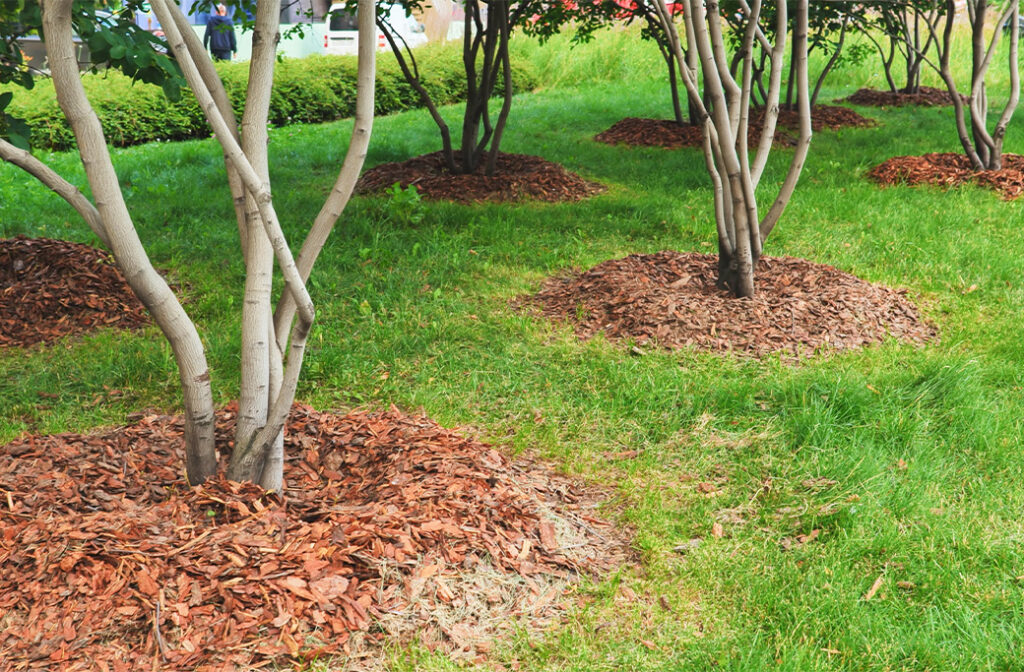
Sustainable landscaping and tree care go hand in hand. A few practical steps can make a meaningful difference:
-
- Mulch around tree bases to retain moisture, regulate soil temperature, and reduce competition from grass and weeds—keeping roots healthier through North Carolina’s dry summer stretches
- Water deeply and infrequently during drought conditions rather than shallow, frequent watering, which encourages shallow root systems
- Plant native or storm-resistant species suited to the Piedmont Triad’s climate, such as American elm, Eastern redbud, or white oak—species that support local wildlife and withstand regional weather patterns
- Protect root zones during landscaping projects, since compacted soil and severed roots are common causes of gradual tree decline that often goes unnoticed
Small adjustments to how you manage your yard can significantly extend the life and health of the trees already growing there.
How Shannon & Sons Tree Service Helps Protect Local Landscapes
Shannon & Sons Tree Service has served Winston-Salem and the Triad area for over 20 years. Our team approaches every property with the goal of keeping trees healthy, safe, and environmentally valuable—not just removing problems after they arise.
Our services include:
-
- Professional tree trimming and pruning to encourage healthy structure and growth
- Tree health evaluations to catch disease, pest activity, or structural issues early
- Safe, strategic tree removal when necessary to protect surrounding trees and property
- Storm preparation and storm damage services to assess and address risks before and after severe weather
Every job is completed with safety as a top priority and a genuine commitment to the long-term health of your landscape.
How Professional Tree Care Supports a Healthier Environment
Healthy trees are one of the most effective and accessible ways homeowners can support their local environment. They filter the air, cool the property, protect the soil, and shelter wildlife—all without any extra effort, as long as they’re properly maintained.
This World Environment Day, the most meaningful environmental action might be as close as your front yard. Schedule a professional tree assessment with Shannon & Sons Tree Service and invest in a healthier landscape for years to come. Call us at 1.336.244.2633 or request a free estimate online.