Quick Answer: Trees can sometimes be fertilized in late summer, but it isn’t always the best time. Fertilizing a healthy tree that doesn’t need additional nutrients may encourage unnecessary growth, while fertilizing a drought-stressed, damaged, or declining tree without first identifying the problem can make matters worse. The best approach is to evaluate the tree, soil conditions, and time of year before applying fertilizer.
Do Trees Need Fertilizer Every Year?
No. Established trees do not automatically need to be fertilized every year.
Trees growing in healthy soil may already have access to the nutrients they need. Fertilizer is most useful when there is evidence of a nutrient deficiency or when soil conditions are limiting healthy growth.
Possible signs that a tree needs professional evaluation include:
-
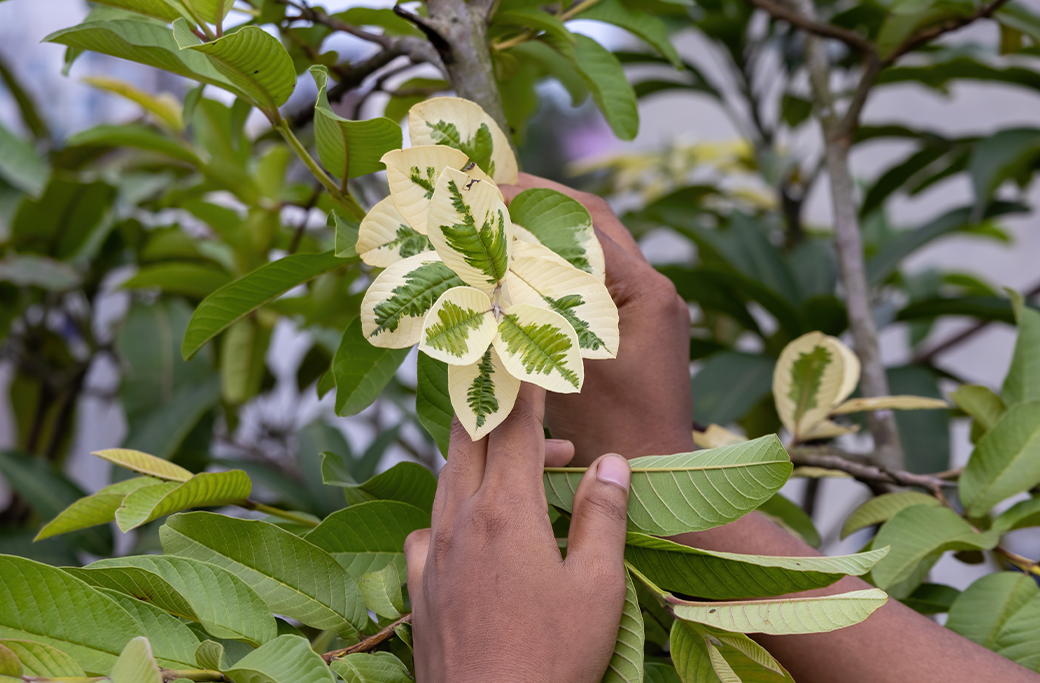
- Pale or yellowing leaves
- Smaller-than-normal leaves
- Reduced annual growth
- Thinning foliage
- Premature leaf drop
- Poor overall vigor
However, these symptoms don’t necessarily mean a tree needs fertilizer. Drought stress, compacted soil, root damage, insects, disease, drainage problems, and other issues can cause similar symptoms.
That’s why it’s important to determine why a tree is struggling before reaching for fertilizer.
Is Late Summer a Good Time to Fertilize Trees?
It depends on the tree and its condition.
Late summer in North Carolina can still bring significant heat and dry weather. If a tree is experiencing drought or heat stress, fertilizing it simply because it looks unhealthy may not solve the underlying problem.
Applying excessive nitrogen can also encourage tender new growth at a time when the tree will soon need to begin preparing for cooler weather.
In many situations, improving watering and protecting the root zone may be more beneficial than fertilizing during late summer.
Should You Fertilize a Drought-Stressed Tree?
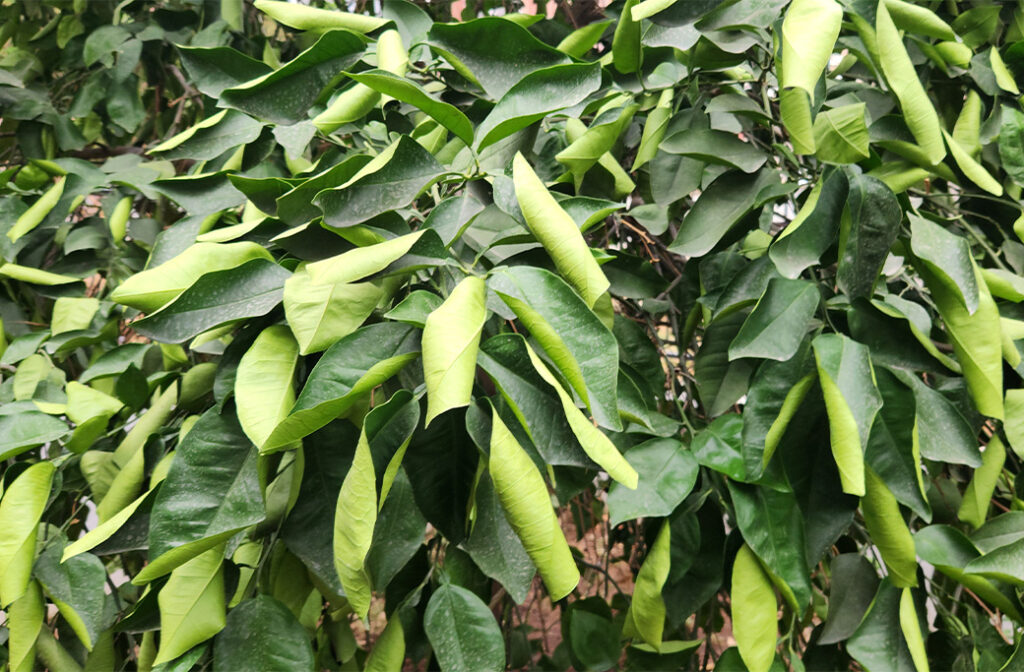
Generally, don’t assume fertilizer is the solution for a drought-stressed tree.
A tree struggling because it cannot get enough water needs the underlying moisture problem addressed. Adding fertilizer doesn’t replace water and may encourage growth that the stressed root system isn’t prepared to support.
Instead, focus on proper watering and maintaining a layer of mulch over the root zone. Keep mulch away from direct contact with the trunk and avoid piling it into a “mulch volcano.”
If the tree continues to show signs of decline, have it evaluated before applying fertilizer.
When Is the Best Time to Fertilize Trees?
The appropriate timing depends on the tree species, soil conditions, nutrient needs, and type of fertilizer being used.
Rather than fertilizing according to the calendar alone, it’s better to determine whether the tree actually needs supplemental nutrients. A soil test or professional tree evaluation can help identify deficiencies and avoid unnecessary applications.
This is particularly important for mature trees, where symptoms such as thinning foliage or declining branches may be caused by problems fertilizer cannot correct.
What Should You Do for Your Trees in Late Summer?
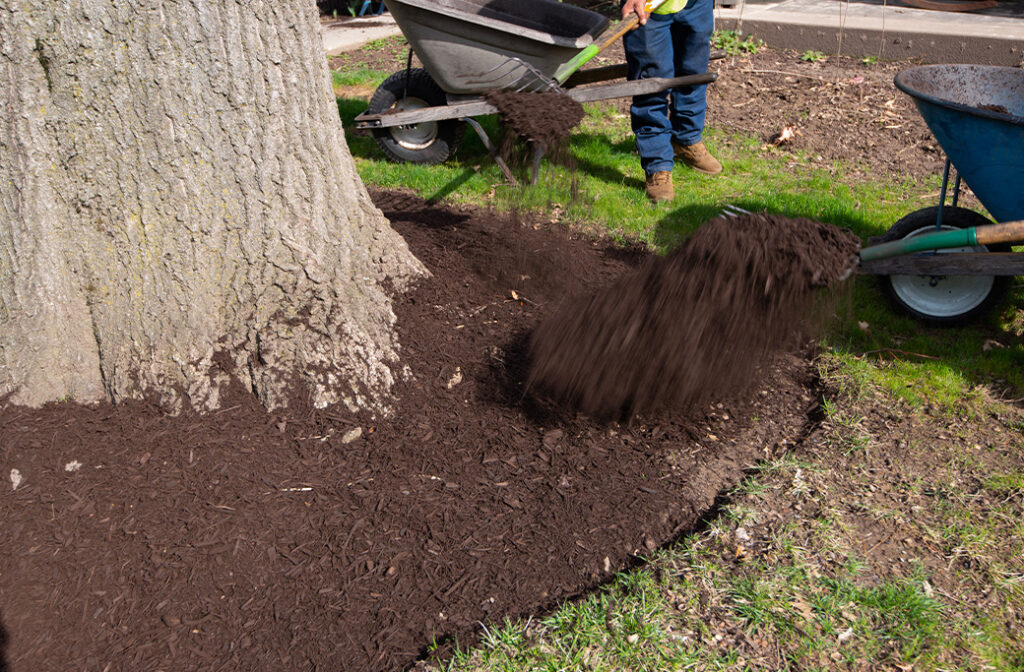
For many trees, late-summer care should focus on reducing stress rather than encouraging additional growth.
Check soil moisture during extended dry periods, water deeply when needed, maintain proper mulch around the root zone, and watch for unusual leaf loss, discoloration, dead branches, or other signs of decline.
If you’re unsure whether a tree needs fertilizer, the safest approach is to determine what’s causing the symptoms first.
Shannon & Sons Tree Service Can Help
Not sure whether your tree needs fertilizer—or something else entirely?
At Shannon & Sons Tree Service, we can evaluate the condition of your trees and help identify potential causes of poor growth, thinning foliage, premature leaf drop, or other signs of stress. Sometimes the answer is improved watering or soil care rather than fertilizer.
Contact Shannon & Sons Tree Service to schedule a tree evaluation and give your trees the care they need heading into fall.